How do Home Goods brands advertise on Meta?
We read the copy of 2,145 public Home Goods ads, drawn from 6 brands with intelligence live, running on Meta, as of 2026-09-07. The clearest pattern: attention concentrates on product-aware buyers, the biggest slice of the set we read. Below is the hook mix, the angle mix, the format split, and which ads have lasted longest, all counted from real public ads.
This is competitive intelligence from public ads, not a performance promise. Every chart is a count of what advertisers demonstrably run, never a prediction that it converts.
Who the ads target
awareness stage · 2145 ads read for copy
The hooks they open with
how the ads open · 2145 ads read for copy · what these mean
The angles they use
the messaging angle · 2145 ads read for copy
Format mix
image vs video vs the rest · 2145 ads read for copy
How long the ads last
Most ads die young; the survivors are the market grading its own winners. An ad still running after months is a quiet signal it pays for itself. Counts across 2145 ads read for copy:
49 ads have held the market 90+ days and were still running as of 7 Sep, the durable core to study first. 961 more launched recently and are still too young to call.
Who runs the widest playbook
Cozy Earth runs the most varied set of ads in Home Goods: 37 distinct lever combinations across 240 ads read for copy. Variety is reach, each combination a different buyer it can catch. It is a ranking against the field here, not an absolute score.
A few standout ads, read
Real ads from the market, with Scout's plain-English read of why each one works as advertising craft.

""softer" uses a sensory benefit frame, while "last a lifetime" uses durability framing to turn comfort into a long-term value promise."
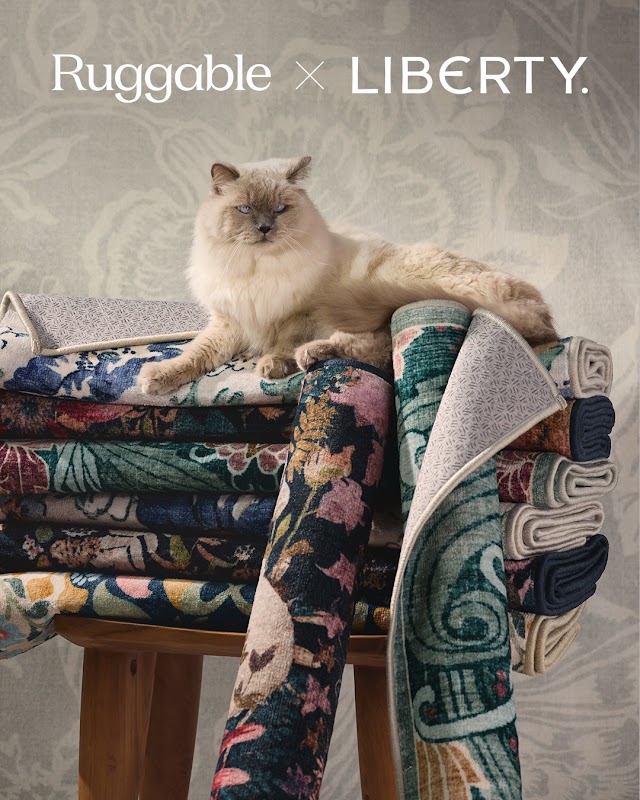
""Liberty's quintessential florals" uses authority bias and familiar-brand framing. "Washable one-piece rugs" adds a clear practical payoff. "Newly arrived" opens a small novelty..."
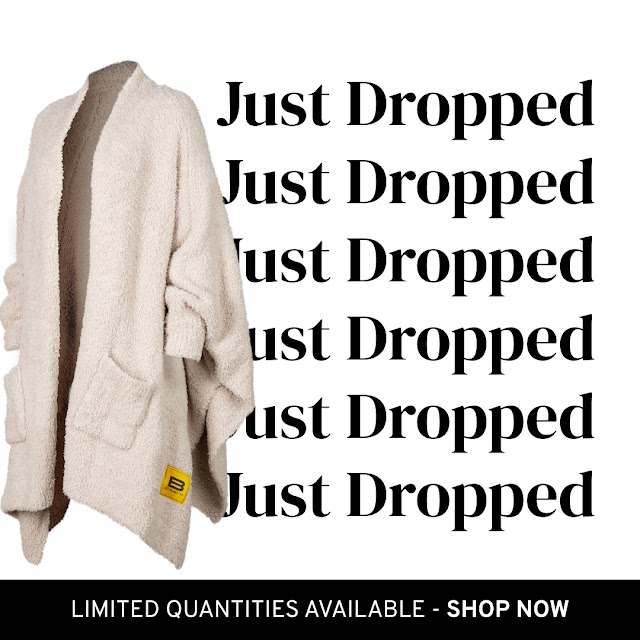
""cozy and soft" uses sensory framing, while "lightweight and breathable" resolves the fear of bulky lounge wear. The feature stack "Luxe", "Cuffed sleeves", and "Two deep" uses..."
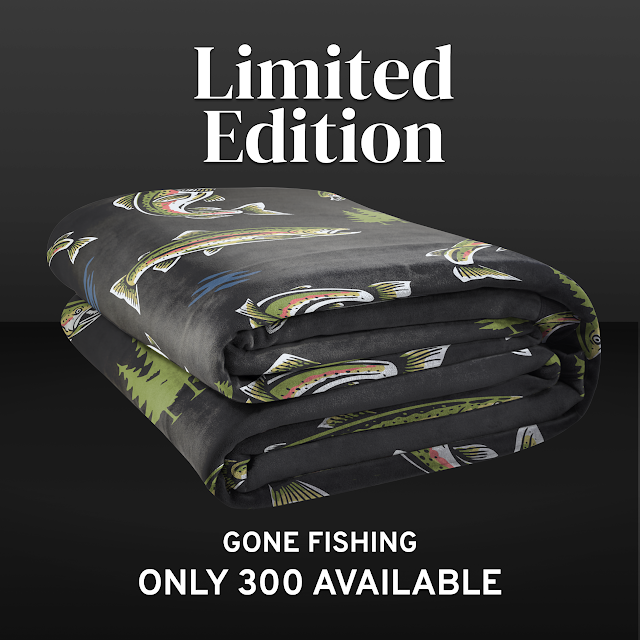
"The pattern interrupt "NEW DROP" and playful "Gone Fishing" open loop spark attention, while "before it sells out" uses loss-aversion framing to make delay feel risky. The emojis..."
Where the openings are
The counts above show where the crowd concentrates and where the field thins out. The open lanes, the stages rivals already spend on that nobody in this market is running a distinct approach on, are exactly where a differentiated ad has room. The full report ranks those lanes as concrete next moves, each with the rival evidence behind it. We point you at the direction and the proof; the ad itself is yours to make.
This breakdown is the surface. The free Home Goods market report has the whole board: every long-running rival lane, every open lane, the ranked next moves, the full ad library with videos and transcripts, and Scout's read on each. Open it free. Or put your brand on the map for $97 a month and see the gaps only you have.
A living index, curated for signal: brands qualify in on proof worth emulating, and the index keeps growing - it is never a census of the industry. Competitive intelligence, not a performance prediction. Source: public Meta Ad Library, analyzed through the AdsFactory.ai intelligence pipeline. AdsFactory is not affiliated with Meta.